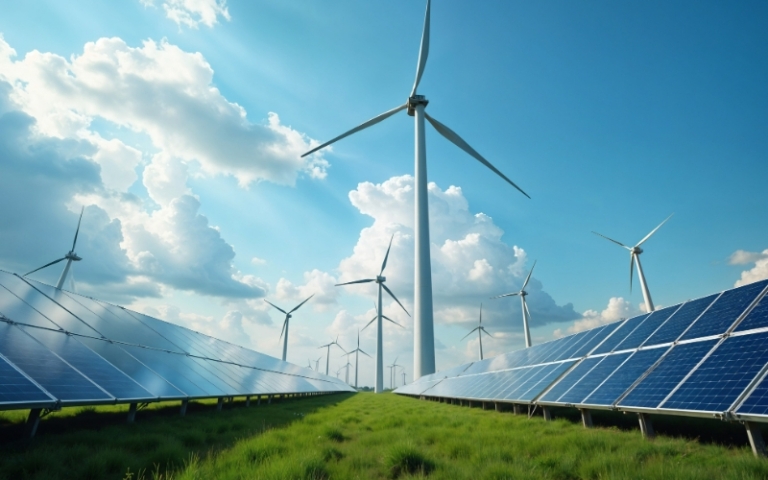
 CimpactPRO Partner
Türkçeye Geç
CimpactPRO Partner
Türkçeye Geç
 Danışma Hattı
0 (850) 346 33 11
Danışma Hattı
0 (850) 346 33 11
 CimpactPro CORP
Corporate Carbon Footprint Calculation and Reporting Software.
CimpactPro CBAM
Border Carbon Regulatory Mechanism (CCRM) Declaration Software.
CimpactPro ESG
Sustainability / ESG Reporting and Management Software. (GRI)
CimpactPro CITY
Emissions Management and Reporting Software for Cities and Municipalities (GPC)
CimpactPro is a sustainability software family that covers all sectors with its modular structure developed by taking into account the specific needs of different sectors.
Explore All Sectors


With our mentoring, training and research-analysis packages, we build your capacity, finalize processes together and link your decisions to data-based, measurable results.
All Services
Accelerate standards compliance with weekly/monthly coaching and increase your teams' success in error-free implementation and on-time delivery.
Get Detailed Information
With hands-on sessions, it adapts standards and regulations to your corporate data; makes competence permanent and enables rapid implementation.
Get Detailed Information
Green maturity, awareness and GAP measurements link decisions to data and clarify the priority roadmap and KPIs.
Get Detailed InformationFrom technical guides to expert opinions, from analysis of current legislation to software support tools, CimpactPro Resources library has all the information you need to take firm steps towards your sustainability goals.









Kozyatağı Mah. İbrahim Ağa Sk. Som Plaza Kat:5 Kadıköy/İstanbul/TÜRKİYE
Are Fossil Fuels Renewable Energy Sources?
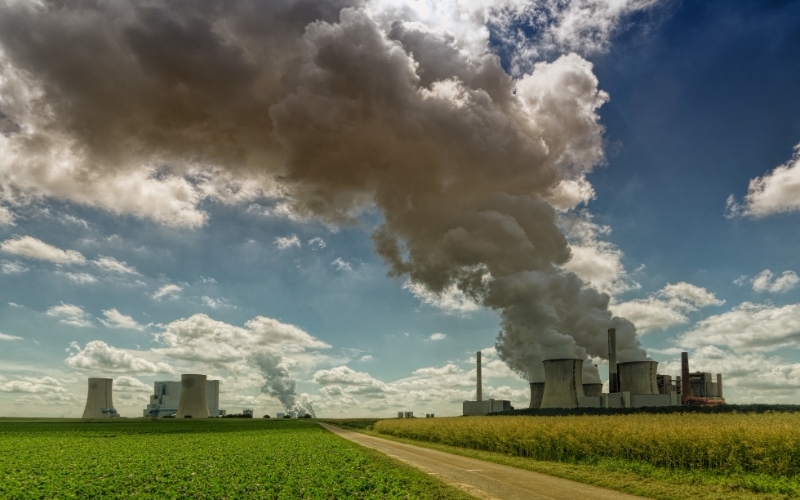








The short answer to this question is no. Fossil fuels are not renewable energy sources. This is because resources such as coal, oil and natural gas take millions of years to form and are not considered self-renewing resources on a human scale. Therefore, they diminish as they are used and are not considered sustainable energy.
Moreover, fossil fuels are heavily debated from an environmental point of view, not only because they are limited, but also because they generate high greenhouse gas emissions during use.
What is a Fossil Fuel?
Fossil fuels are energy sources formed by the transformation of the remains of plants and living things that lived millions of years ago under high pressure and temperature. Coal, oil and natural gas are the main examples of this group.
These resources have been the main energy basis for economic growth since the industrial revolution. However, due to their environmental impacts, they are facing serious transformation pressures today.
While fossil fuels are still the backbone of the energy system in many countries today, this is generating more and more economic and environmental risks. It is therefore no longer just a question of energy, but of transformation policy.
Why are fossil fuels not renewable?
For a resource to be considered renewable, it must be able to regenerate in nature in a short period of time. Fossil fuels, on the other hand, are formed on a geological time scale and cannot keep up with the pace of human use. Therefore, they are not technically classified as renewable energy.
In other words, it is not possible to replace fossil fuels in the near future as we use them. This characteristic fundamentally distinguishes them from sources such as the sun or wind.
The fact that fossil fuels are "natural resources" therefore does not make them renewable. Being found in nature and being renewable on a human timescale are different concepts.
What are the main differences between renewable energy sources and fossil fuels?
The most fundamental difference is the rate at which resources are renewed in nature. While renewable energy sources renew themselves within the continuity of nature, fossil fuels are fixed and limited reserves. The second important difference is the level of emissions. Fossil fuel use produces high levels of carbon dioxide and other greenhouse gases.
In addition, renewable resources are seen as the main element of the long-term energy transition, while fossil fuels are among the main resources that need to be reduced in climate policies.
This difference also affects companies' investment decisions. As energy costs, regulations and supply chain expectations increase, fossil fuel-dependent systems may become more fragile.
How Does Fossil Fuel Use Affect Emissions?
Burning fossil fuels produces high levels of greenhouse gas emissions, particularly carbon dioxide. Electricity generation, transportation, industry and heating systems account for a significant portion of these emissions. Therefore, the use of fossil fuels is considered one of the main causes of climate change.
In this context, the question ofwhat is carbon footprint can be understood more clearly. The carbon footprint is largely shaped by the emissions created by the use of such fuels.
Why is it important to move away from fossil fuels?
Moving away from fossil fuels is important to reduce emissions, improve air quality and make energy systems more sustainable. This transition is not only based on environmental grounds; it is also important for energy security and economic resilience.
Therefore, reducing fossil fuel dependence is always critical in answering the question ofhow to reduce carbon footprint.
Regulatory pressures are also increasing. For companies engaged in emission-intensive production, remaining dependent on fossil fuels may mean cost and competitive risks in the future.
Which Energy Alternatives Stand Out Instead?
Solar, wind, hydroelectric, geothermal and in some cases sustainable biomass systems stand out as alternatives to fossil fuels. Energy efficiency, electrification and storage solutions are also important parts of the transition.
The energy transition is not just about switching to a single source. It is about building a reliable and scalable system with low emissions.
That's why energy strategies often lean towards hybrid models that combine solar, wind, storage, efficiency and electrification. The real success lies in using these tools in the right combination.
This is why the energy transition often requires a hybrid structure. Systems that use different sources together and integrate efficiency and storage can yield more realistic results.
In Which Sectors Do Fossil Fuels Pose a Greater Risk?
Fossil fuel dependency creates a greater risk especially in sectors such as cement, iron and steel, chemistry, logistics, heavy industry and energy-intensive production. This is because direct fuel use is high in these areas and the cost structure is more sensitive to energy prices. As regulatory pressure increases, the need for transformation becomes more visible in these sectors.
Moreover, for exporting companies, it is not only a matter of domestic costs. International customers and supply chain actors have also started to question energy source and emission intensity more.
Ultimately, Why Not Renewable?
Fossil fuels are not renewable because they do not have a renewal cycle in nature that matches the rate of human use. They deplete as they are used and take millions of years to regenerate. Moreover, they produce high emissions during use. Therefore, they are not expected to take center stage in a sustainable energy future, but rather to be replaced by lower emission alternatives.