 CimpactPRO Partner
Türkçeye Geç
CimpactPRO Partner
Türkçeye Geç
 Danışma Hattı
0 (850) 346 33 11
Danışma Hattı
0 (850) 346 33 11
 CimpactPro CORP
Corporate Carbon Footprint Calculation and Reporting Software.
CimpactPro CBAM
Border Carbon Regulatory Mechanism (CCRM) Declaration Software.
CimpactPro ESG
Sustainability / ESG Reporting and Management Software. (GRI)
CimpactPro CITY
Emissions Management and Reporting Software for Cities and Municipalities (GPC)
CimpactPro is a sustainability software family that covers all sectors with its modular structure developed by taking into account the specific needs of different sectors.
Explore All Sectors


With our mentoring, training and research-analysis packages, we build your capacity, finalize processes together and link your decisions to data-based, measurable results.
All Services
Accelerate standards compliance with weekly/monthly coaching and increase your teams' success in error-free implementation and on-time delivery.
Get Detailed Information
With hands-on sessions, it adapts standards and regulations to your corporate data; makes competence permanent and enables rapid implementation.
Get Detailed Information
Green maturity, awareness and GAP measurements link decisions to data and clarify the priority roadmap and KPIs.
Get Detailed InformationFrom technical guides to expert opinions, from analysis of current legislation to software support tools, CimpactPro Resources library has all the information you need to take firm steps towards your sustainability goals.









Kozyatağı Mah. İbrahim Ağa Sk. Som Plaza Kat:5 Kadıköy/İstanbul/TÜRKİYE
What is a Green Building Certificate and How to Obtain One?
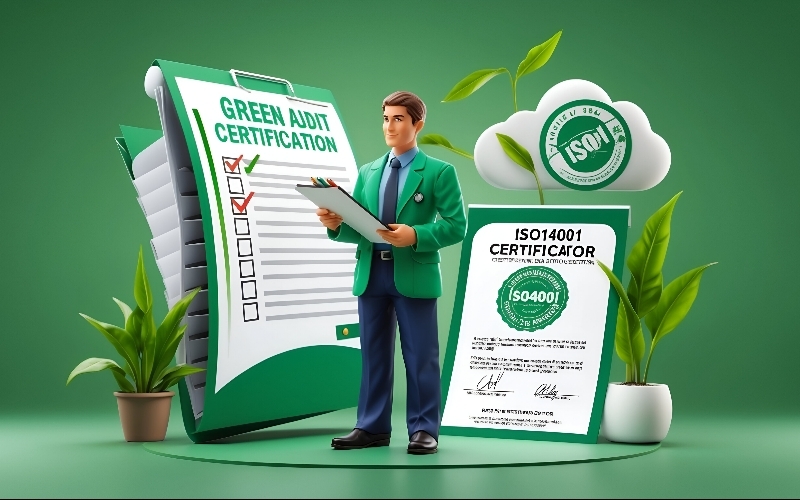








Green building certificates are systems that evaluate the environmental performance of buildings according to certain criteria. These certificates address many topics such as energy efficiency, water use, material selection, indoor quality, waste management and land use. The aim is not only to produce a "green building" discourse, but also to demonstrate the measurable performance of the building.
In recent years, green building certificates have become more visible due to both investor expectations and user demands. Especially in commercial buildings, office projects and large-scale structures, these certificates can make a significant difference.
What is a Green Building Certificate?
A green building certificate is a systematic certification approach that shows that a building has been evaluated according to environmental criteria and meets certain performance conditions. The aim here is not only to get points after the building is completed; it is to manage environmental performance in a holistic way from project design to the usage phase.
These certificates also provide guidance in areas such as how energy efficient the building is, how much water it saves and to what extent it supports user health.
In this respect, green building certificates are not only a prestige indicator. It is also a management tool that disciplines design and operational decisions around certain standards.
How LEED, BREEAM and Similar Systems Differentiate?
LEED and BREEAM are among the most well-known green building certification systems. Both evaluate environmental performance in a multidimensional way; however, they may differ in terms of scoring logics, category structures and regional application approach.
Project location, intended use, investment objective and client expectations can influence which certification system is more appropriate. The choice should therefore be based on project needs, not just brand recognition.
For example, in some projects international visibility may be more important, while in others local implementation practice and the experience of the project team may be decisive. Therefore, certificate selection should be considered as a strategic decision.
Why is a Green Building Certificate Important?
These certificates are important in terms of reducing energy costs, optimizing water use, increasing user comfort and supporting asset value in the long term. It also contributes to making the sustainability approach of organizations visible.
Especially in corporate real estate investments, buildings working with international tenants and in areas where ESG expectations are high, certified buildings can gain a stronger position.
In addition, these documents create trust as they show that the environmental performance of the building is evaluated with a third-party logic. This creates a significant advantage in terms of investor and user perception.
Which Criteria are Evaluated in the Certification Process?
Energy performance, water efficiency, material selection, transportation access, indoor environment quality, waste management and project management approach are among the frequently evaluated topics. Although each certification system has its own scoring logic, the basic axis is generally similar.
Therefore, the certification process should be considered not only to obtain a certificate at the final stage, but also to get the design and operational decisions right from the beginning.
Since the decisions made at the beginning of the project cannot be changed later, early planning is of great importance. Material selection, mechanical system design and water infrastructure are decisive at this point.
How Energy and Water Efficiency Play a Role in Certification?
Energy and water efficiency are at the center of green building certificates. Low energy consumption, efficient equipment use, smart building systems, rainwater management and low-consumption fixtures are important in this area. An important part of building performance can be shaped by these two topics.
Especially when the question ofwhat can be done to reduce the water footprint is considered at the building scale, gray water use, efficient plumbing and reuse systems become critical tools.
How to Obtain a Green Building Certificate?
The process usually starts with the selection of the appropriate certification system. Then the project objectives are clarified, design criteria are organized according to these objectives and the necessary documentation is prepared. During implementation, data is collected, evidence files are created and submitted to the relevant system for evaluation.
Architectural, mechanical, electrical and sustainability teams need to work together for a successful process. Certification is often not just a technical output, but a project management process that requires coordination.
Therefore, the certification objective should not be a detail added after design. The best result is usually achieved by clarifying the certification strategy at the beginning of the project.
What does certification bring to organizations?
Certified buildings can save energy and water, reduce operating costs and strengthen brand perception. It can also have a positive impact on user comfort, tenant interest and investment value.
These gains are also important forcorporate carbon footprint management. Because building performance can account for a significant portion of energy consumption and operational emissions for many companies.
Especially for corporate campuses, office buildings and commercial buildings, these certifications mean not only prestige but also stronger operational discipline. Measuring, reporting and improving building performance becomes more systematic.
Why is a green building approach valuable in the long term?
A green building approach affects not only the current performance of the building, but also its long-term operational quality. Lower energy and water consumption, better indoor conditions and a more systematic maintenance approach can reduce the total cost of use over time. Therefore, the issue generates value not only during the initial investment phase, but throughout the entire life cycle.
It also provides measurable improvement at building scale for companies with corporate sustainability goals. Especially for buildings managing large portfolios, these documents help standardize environmental performance.