 CimpactPRO Partner
Türkçeye Geç
CimpactPRO Partner
Türkçeye Geç
 Danışma Hattı
0 (850) 346 33 11
Danışma Hattı
0 (850) 346 33 11
 CimpactPro CORP
Corporate Carbon Footprint Calculation and Reporting Software.
CimpactPro CBAM
Border Carbon Regulatory Mechanism (CCRM) Declaration Software.
CimpactPro ESG
Sustainability / ESG Reporting and Management Software. (GRI)
CimpactPro CITY
Emissions Management and Reporting Software for Cities and Municipalities (GPC)
CimpactPro is a sustainability software family that covers all sectors with its modular structure developed by taking into account the specific needs of different sectors.
Explore All Sectors


With our mentoring, training and research-analysis packages, we build your capacity, finalize processes together and link your decisions to data-based, measurable results.
All Services
Accelerate standards compliance with weekly/monthly coaching and increase your teams' success in error-free implementation and on-time delivery.
Get Detailed Information
With hands-on sessions, it adapts standards and regulations to your corporate data; makes competence permanent and enables rapid implementation.
Get Detailed Information
Green maturity, awareness and GAP measurements link decisions to data and clarify the priority roadmap and KPIs.
Get Detailed InformationFrom technical guides to expert opinions, from analysis of current legislation to software support tools, CimpactPro Resources library has all the information you need to take firm steps towards your sustainability goals.









Kozyatağı Mah. İbrahim Ağa Sk. Som Plaza Kat:5 Kadıköy/İstanbul/TÜRKİYE
What are Energy Storage Systems? Which Types Are There and How Do They Work?









Fundamentals of Energy Storage
Important Note: The resources provided focus on the impact of energy storage systems on corporate sustainability, renewable energy integration and carbon management strategies, rather than the technical engineering details (such as lithium-ion chemistry or thermal storage mechanics). The content below is set in the context of sustainability and energy management in existing resources.
What are Energy Storage Systems?
Within the framework of corporate sustainability, the concept of energy storage is considered as a set of technologies that eliminate the obligation to consume energy as soon as it is produced and allow companies to integrate renewable energy. These systems are strategic tools that help companies manage their carbon footprint (especially Scope 2 emissions) and achieve their "Net Zero" goals. For example, tech giants such as Google are investing in such strategies to achieve "24/7 carbon-free energy" in their data centers.
Why the Need for Energy Storage?
The need for energy storage and management systems is driven by financial and operational sustainability requirements:
Continuity and Resilience:
Extreme weather events and grid disruptions due to climate change (as in the case of PG&E) have made energy security critical. Storage and resilience measures reduce operational risks.
Renewable Energy Integration:
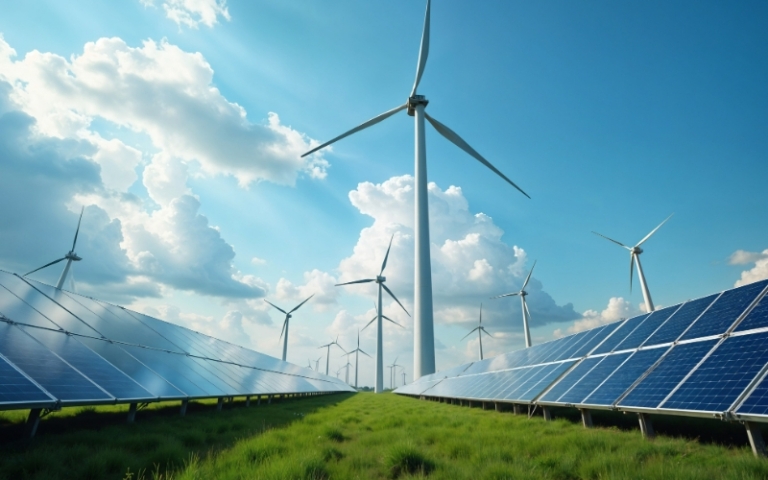
Efficient use of intermittent energy sources such as solar and wind requires energy to be stored or managed. The Ørsted example shows that the transition from fossil fuels to renewable energy is possible with a successful energy storage technologies and management strategy.
Regulatory Compliance (CBAM):
As the EU Border Carbon Adjustment Mechanism (CBAM) covers sectors such as hydrogen and electricity, storing and transmitting these energies in low carbon intensive ways provides cost advantages.
What are the Types of Energy Storage Systems?
The sources do not provide detailed descriptions of specific technical types such as lithium-ion batteries or thermal energy storage. However, the types of storage and energy carriers that stand out in sustainability reporting and CBAM are as follows:
Hydrogen:
One of the six priority sectors under CBAM, hydrogen is recognized as a critical energy carrier and storage method for industrial decarbonization. low-carbon production methods such as "green hydrogen" play an important role in future energy systems.
Electricity Storage (Indirect):
Storage through electric vehicles and grid integration is central to the transformation of the automotive sector (Tesla example).
Battery Based Storage Systems
The resources do not go into the technical details of battery systems, but do address the place of these technologies in corporate sustainability and the circular economy:
Electric Vehicles (EV):
Tesla's success in the EV market has demonstrated the role of battery technologies in reducing emissions in the transportation sector (Scope 3).
Circular Economy and Recycling:
The recovery of materials used in batteries and electronics (e.g. Daisy, Apple's recycling robot) is an approach to managing energy storage technologies that reduces dependence on raw materials.
How Do Energy Storage Systems Work?
The working principle of systems in terms of sustainability management is based on the "Measure, Reduce and Manage" cycle:
Energy Management Systems (ISO 50001):
Companies use ISO 50001 standards to improve energy efficiency and monitor consumption. These systems integrate with electricity storage systems to reduce energy costs.
Carbon Management:
Emission factors of stored and used energy are calculated and Scope 2 (purchased energy) and Scope 3 emissions are reported. Platforms such as CimpactPro enable verifiable management of this data.
Investment Decisions (Shadow Pricing):
Companies calculate the long-term financial return of storage and clean energy technologies using a "carbon shadow price" when evaluating renewable energy integration investments.