 CimpactPRO Partner
Türkçeye Geç
CimpactPRO Partner
Türkçeye Geç
 Danışma Hattı
0 (850) 346 33 11
Danışma Hattı
0 (850) 346 33 11
 CimpactPro CORP
Corporate Carbon Footprint Calculation and Reporting Software.
CimpactPro CBAM
Border Carbon Regulatory Mechanism (CCRM) Declaration Software.
CimpactPro ESG
Sustainability / ESG Reporting and Management Software. (GRI)
CimpactPro CITY
Emissions Management and Reporting Software for Cities and Municipalities (GPC)
CimpactPro is a sustainability software family that covers all sectors with its modular structure developed by taking into account the specific needs of different sectors.
Explore All Sectors


With our mentoring, training and research-analysis packages, we build your capacity, finalize processes together and link your decisions to data-based, measurable results.
All Services
Accelerate standards compliance with weekly/monthly coaching and increase your teams' success in error-free implementation and on-time delivery.
Get Detailed Information
With hands-on sessions, it adapts standards and regulations to your corporate data; makes competence permanent and enables rapid implementation.
Get Detailed Information
Green maturity, awareness and GAP measurements link decisions to data and clarify the priority roadmap and KPIs.
Get Detailed InformationFrom technical guides to expert opinions, from analysis of current legislation to software support tools, CimpactPro Resources library has all the information you need to take firm steps towards your sustainability goals.









Kozyatağı Mah. İbrahim Ağa Sk. Som Plaza Kat:5 Kadıköy/İstanbul/TÜRKİYE
What is Digital Carbon Footprint?









In the context of corporate and individual sustainability, "carbon footprint" refers to the total greenhouse gas (GHG) emissions that an entity directly or indirectly releases into the atmosphere. While we traditionally think of fumes from factory chimneys or vehicle exhausts, today our activities in the digital world also have a significant environmental toll. The digital carbon footprint (external knowledge) is the sum of the greenhouse gas emissions caused by the use of the internet, cloud computing, data storage and electrical energy consumed during the use of electronic devices and their manufacturing processes.
According to the sources, environmental sustainability aims to decouple ecological degradation from economic activities. In this context, the rapid growth of the internet and digital technologies has created a new area of emissions that must be managed within the ecological limits of the planet.
What Exactly Does Digital Carbon Footprinting Mean?
According to the Greenhouse Gas Protocol (GHG Protocol) and ISO 14064-1 standards, emissions are divided into three main scopes:
- Scope 1: Direct emissions (e.g. fuels burned in facilities).
- Scope 2: Indirect emissions from externally purchased electricity, steam or heat.
- Scope 3: Other indirect emissions in the value chain (suppliers, use of products sold, etc.).
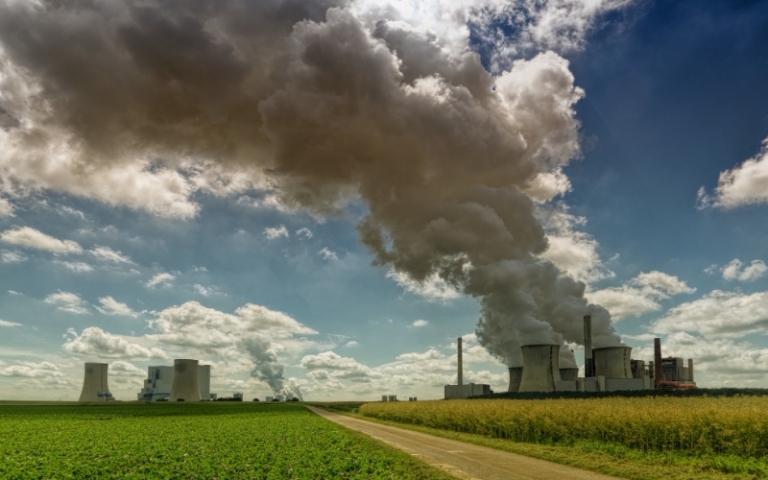
The digital carbon footprint is predominantly related to Scope 2 and Scope 3 emissions. When you visit a website, watch a video or store data in the cloud, huge data centers are running. To run and cool the servers of these centers, large amounts of electricity are consumed (Scope 2). If this electricity comes from fossil fuels (coal, natural gas), digital activities directly translate into carbon emissions. In addition, the production of our smartphones, computers and data center servers, as well as e-waste processes at the end of their lifecycle (Scope 3), also form a large part of the digital carbon footprint.
Why Digital Pollution Matters with Surprising Figures
With the integration of technology into every aspect of our lives, the concept of digital pollution (external knowledge: carbon emissions and e-waste generated by digital activities) has become an increasingly significant environmental risk.
As noted in the sources, the growth of data centers and computing power creates enormous energy demand. For example, Google, one of the world's largest technology companies, has been operating as carbon neutral since 2007 to ensure that the growth of its massive computing power does not increase its carbon footprint and strives to achieve the goal of "24/7 carbon-free energy" for its data centers by 2030. The fact that Google is the largest corporate buyer of renewable energy globally is a clear testament to how much energy is required just for a company's digital operations.
(External Info): According to research, if the internet were a country, it would be the sixth largest emitter of greenhouse gases in the world. Around 4% of global carbon emissions come from digital technologies, more than the emissions of the aviation sector.
The Carbon Cost of Our Daily Habits
The environmental damage of the internet is often overlooked because it is invisible to the eye. We assume that the digital world is "clean" because we don't see any physical waste or smoke. However, this is not the case.
(The following specific digital activity costs are external information):
Streaming a high-definition movie consumes energy through routers, fiber optic cables and servers to transport the data from data centers to the screen in your home.
Every minute spent on social media emits carbon through algorithms running in the background and data storage.
Backups stored in cloud storage systems that are never opened for years require those servers to run and cool 24/7.
How to Calculate Digital Carbon Footprint?
Calculating the digital carbon footprint at the enterprise level is based on international standards (ISO 14064-1 and GHG Protocol), just like calculations for a physical production factory.
Calculating the carbon footprint of a technology or software company (or any business using digital infrastructure) involves the following steps:
Collecting Activity Data: Data such as the amount of electricity consumed (in kWh), server operating hours, hardware specifications of devices are collected.
Multiplication by Emission Factors: The collected activity data is multiplied by the "emission factor" of the grid where the energy is generated. For example, platforms such as CimpactPro use libraries of more than 20,000 emission factors that are constantly updated according to EU standards to ensure the accuracy of the calculations. Whether the electricity comes from renewable sources or coal completely changes the outcome at this point.
Life Cycle Analysis (LCA): Calculates the embedded emissions from the production of devices (servers, computers, etc.). Using the ISO 14067 (Product Carbon Footprint) standard, the cradle-to-grave environmental impact of hardware is measured.
Reporting: The results are transparently reported to investors and the public in frameworks such as GRI, ISSB (IFRS S2) or CDP.
Recommendations for Businesses and Website Owners
Aligning businesses' digital operations with environmental limits is an important part of the ESGF (Environmental, Social, Governance and Financial Sustainability) framework. Here are steps that organizations can take for a sustainable internet (external information) and a cleaner digital infrastructure:
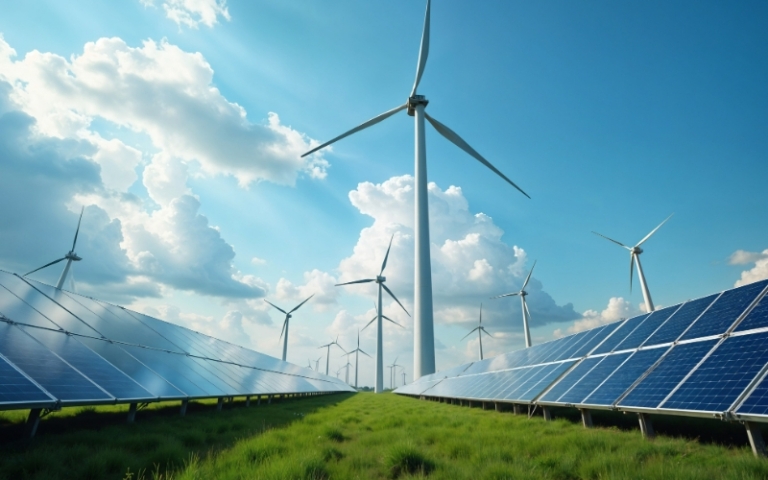
Transition to Renewable Energy (Scope 2 Mitigation): Powering servers and offices from renewable energy sources, such as solar or wind, as in the case of Google, is the most effective way to zero out the digital carbon footprint.
Circular Economy and Hardware Management: Circular economy models (reuse and recycling instead of take-make-dispose) should be adopted in the production and disposal of electronic devices. Apple's production of hardware using recycled aluminum and the recovery of materials (tin, aluminum, etc.) from old iPhones with its robot "Daisy" is an excellent example of reducing Scope 3 emissions and mining impacts of digital devices.
Digital Cleaning (Data Optimization): (External Knowledge) Businesses can save storage space and therefore energy by regularly deleting(digital cleaning ) the idle data (dark data) they keep on their servers.
Internal Carbon Pricing: When investing in new servers or software infrastructure, companies can use a "shadow price of carbon" in their decision-making process to favor low-carbon and energy-efficient technologies. This combines financial sustainability (F) with environmental objectives (E).
Frequently Asked Questions (FAQ)
Does deleting emails reduce carbon footprint?
(External Information): Yes, deleting emails indirectly reduces the carbon footprint. Each email is stored on servers in data centers. Thousands of unnecessary emails (spam messages, old newsletters) sitting in your inbox for years require these servers to be constantly running and cooling. While the carbon footprint of email is in the milligrams of CO2e for a single email, the data stored by billions of users globally creates a huge energy consumption. Keeping the inbox clean is therefore a small but effective digital housekeeping step.
Is Bitcoin harmful to the environment?
(External Info): Bitcoin and some similar cryptocurrencies use a system called "Proof of Work" to verify transactions. This system requires massive computing power and therefore an incredible consumption of electricity. If the electricity grid in countries where Bitcoin mining operations are carried out relies on fossil fuels such as coal or natural gas, the carbon footprint of cryptocurrencies could be higher than the total emissions of many countries. Bitcoin is therefore recognized as environmentally harmful with its current energy infrastructure and challenging climate targets.
Does internet use affect climate change?
Yes, internet use directly affects climate change. Due to the Scope 2 (electricity consumption) and Scope 3 (hardware manufacturing) emissions mentioned above, digital activities lead to greenhouse gas emissions. In line with the reports of the Intergovernmental Panel on Climate Change (IPCC) and the goals of the Paris Agreement, it is imperative that the IT sector, like all sectors, undergo decarbonization processes.
The fact that the energy company Ørsted has reduced its emissions by 86% by switching completely from fossil fuels to wind energy shows how vital it is to transform the electricity grids that feed the infrastructure of the internet into green energy in the fight against climate change. While the internet itself is intangible, the physical infrastructure it runs on (cables, servers, cooling systems) is entirely subject to the ecological boundaries of the planet (planetary boundaries). If we do not feed the internet with green energy, its environmental damage will continue to play an increasingly important role in the climate crisis.